

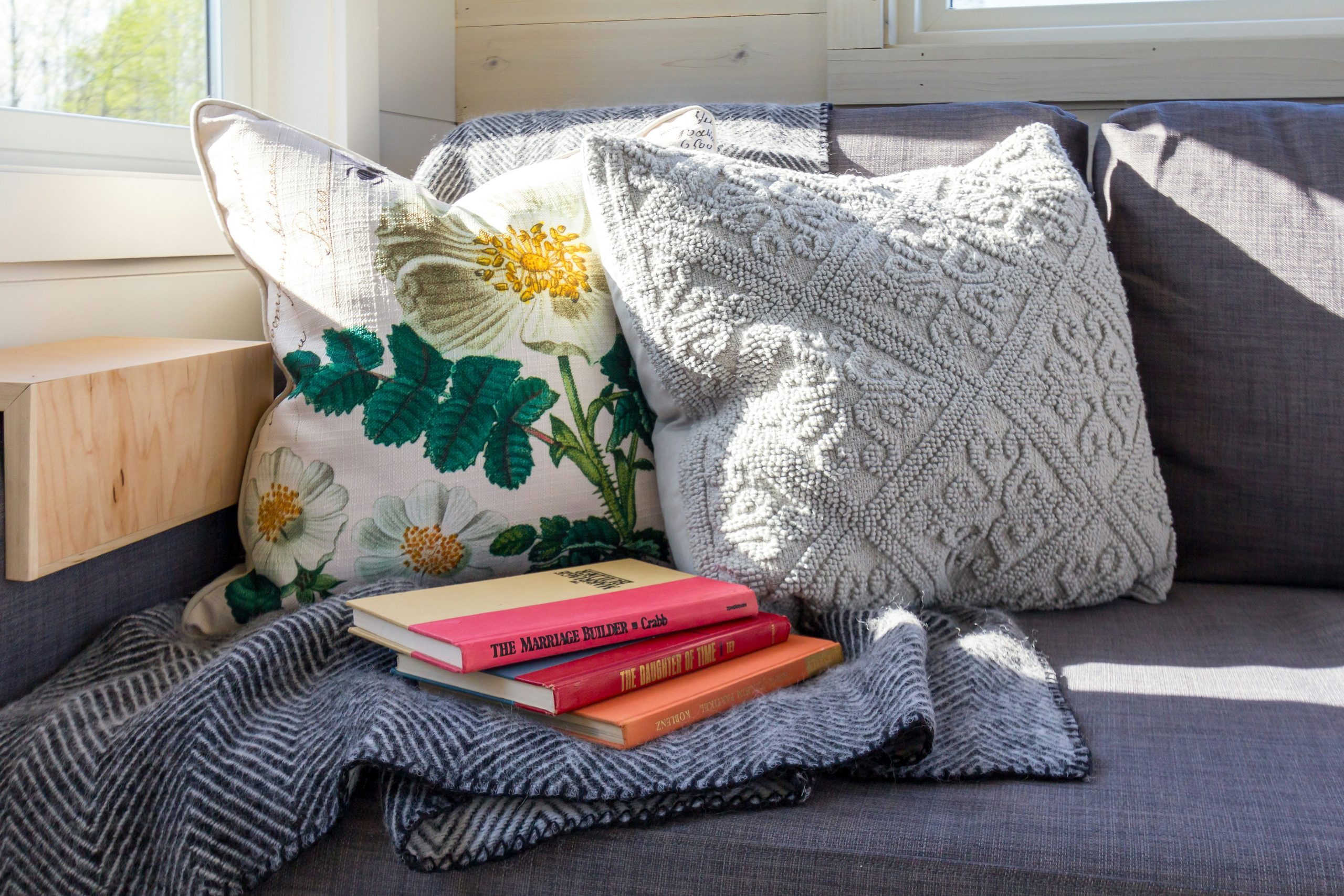
Have you ever looked at a beautiful home layout online, bought similar items for your own home, but found your space still felt cold, flat, or a bit mismatched?
You aren’t alone. When people want to make a room feel warmer, they often think they need to buy more furniture, paint the walls, or start an expensive remodel. But more often than not, the missing ingredient isn’t a new couch—it is texture.
If you don’t know where to start with styling, you don’t need an interior design degree to fix a cold room. You just need a simple, foolproof formula.
Meet the 3-Texture Rule: the ultimate shortcut for beginners to bring instant warmth and comfort into any space.
What is the 3-Texture Rule?
A room feels flat or uninviting when too many items share the exact same surface finish. For example, if you have a leather sofa, smooth hardwood floors, and plain cotton throw pillows, your eyes and hands get bored. Everything feels sleek, hard, and distant.
The 3-Texture Rule states that to make any “micro-zone” feel instantly inviting, you simply need to combine three distinct tactile finishes in that area: The Soft, The Natural, and The Smooth.
When these three elements sit next to each other, they create visual depth. Your home instantly transforms into a soft place to land because your eyes can feel the warmth before you even sit down.
Choosing Your 3 Textures
You don’t need to overcomplicate this. Look around your house or browse for small accents using these three simple categories:
1. The Soft Layer (For Pure Comfort)
This is the heart of your cozy bubble. Soft textures invite you to slow down, relax, and stay a while.
- Examples: Chunky knit throw blankets, plush oversized pillows, velvet cushion covers, or a faux-fur rug.
2. The Natural Layer (For Warmth & Grit)
Natural or slightly rough textures ground a room. They break up the fluffiness of your soft items and give the space an organic, earthy feel.
- Examples: Woven rattan baskets, a textured jute rug, linen pillowcases, or a matte ceramic pampas grass vase.
3. The Smooth Layer (For Modern Balance)
Smooth textures act as a palate cleanser for your eyes. They stop a room from looking too messy or overly rustic by providing clean, sleek lines.
- Examples: A polished wooden side table, a brushed brass reading lamp, hardback books, or smooth glass candle jars.
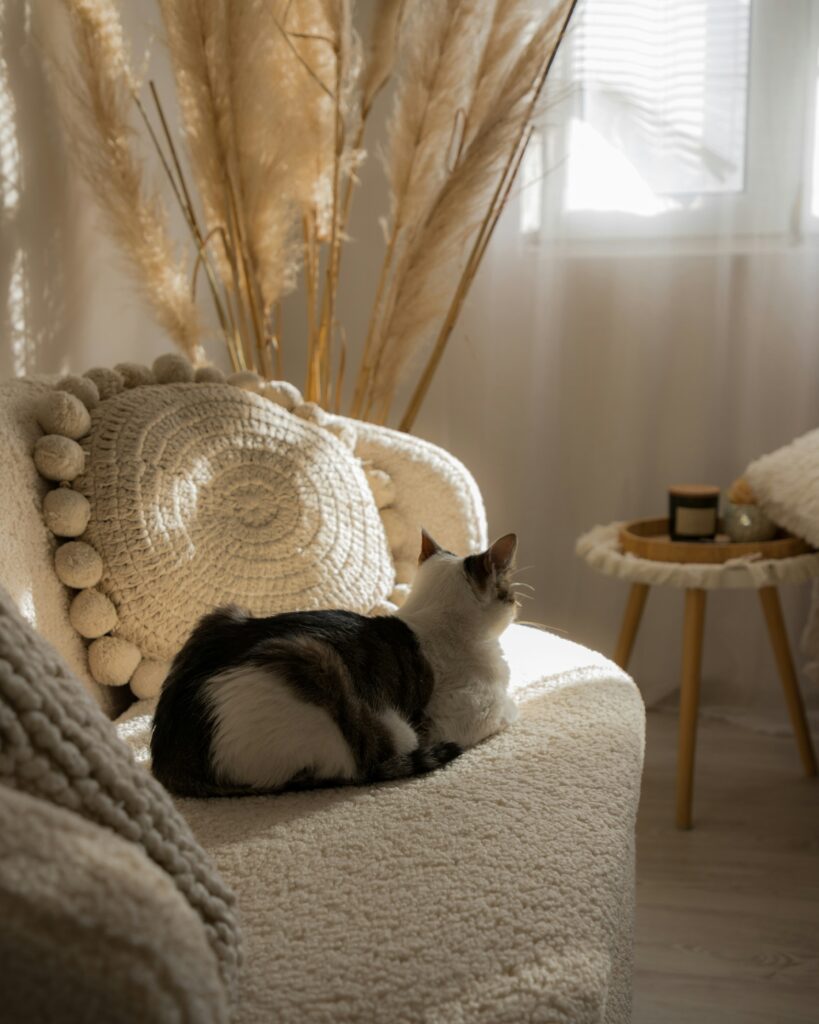
How to Apply the Rule in 3 Tiny Zones
The best part about this rule is that you can apply it to tiny corners of your home today without spending a fortune. Here is how to mix and match them in common everyday spots:
- The Sofa Corner: Drape a chunky knit blanket (Soft) over the edge, lean a linen pillow (Natural) against the armrest, and set a matte ceramic mug (Smooth) on the side table.
- The Bedside Table: Stack two hardback books (Smooth), place a tiny woven basket for your jewelry (Natural), and drape a soft velvet sleep mask (Soft) on top.
- The Reading Nook: Lay down a plush sheepskin rug (Soft), set up a wicker magazine holder (Natural), and place a sleek metal floor lamp (Smooth) overhead.
Step Into Your Bubble
Creating a cozy home for beginners doesn’t require a massive budget or a flawless design eye. It’s about making small, intentional choices that elevate your daily routines.
Take ten minutes today to look at your favorite spot in the house. Count the textures. If it feels a bit cold, try adding just one missing layer—whether it’s a textured basket or a warm, soft blanket—and watch your perfect cozy bubble instantly come to life.